
Who This Guide Is For
This guide is written for:
- Adult children worried about a parent who has gone quiet
- Neighbors concerned about someone living alone nearby
- Friends who haven’t heard from someone in an unusual stretch
- Caregivers trying to decide between 911 and a non-emergency line
- Anyone who needs to request a wellness check on someone for the first time
If your mother hasn’t answered a call in two days, take action. Learning how to request a wellness check on someone helps here. The process is faster and simpler than most people expect.
A single phone call is often all it takes. Neighbors’ mail piling up is another common warning sign. You don’t need proof, just a genuine concern.
In my years as a Certified Senior Home Safety Specialist, I’ve seen this often. I’ve walked many adult children through this exact moment. Dispatchers would rather respond to a false alarm than miss a real one.
Knowing the right number to call removes that hesitation. This guide covers how to call for a wellness check. It also covers when 911 is the better choice.
The process changes slightly for an elderly parent living alone. If your parent already uses a monitoring device, that helps too. Our guide to in-home medical alert systems explains how that layer works.
Every section below focuses on practical steps, not theory. A welfare check exists for exactly this kind of uncertainty. The concern might involve a parent, sibling, or neighbor.
You don’t need proof that something is wrong. You only need a genuine, specific reason for concern. The sections below cover exactly what to say.
Safety first: Call 911 immediately if someone may be in immediate danger. This includes anyone unconscious, unresponsive, or facing a medical emergency. Everything below applies when you’re concerned but not certain.
What Is a Wellness Check?
A wellness check is sometimes called a welfare check. It’s a visit by police to confirm someone is safe. It exists for moments when you can’t verify things yourself.
Officers go to the person’s home and knock. They assess the person’s condition in person. If help is needed, they connect the person with care.
This is the core mechanism behind how to call for a wellness check. It applies whether the concern involves a parent, neighbor, or friend. Most calls simply confirm the person is fine.
A wellness check is not an arrest or investigation. It is a welfare-focused visit, nothing more. Officers close most calls quickly once safety is confirmed.
Many people delay requesting a wellness check on someone. They worry it will cause trouble for that person. In practice, a police wellness check is low-friction, not an escalation.
A wellness check also isn’t limited to elderly adults. Anyone can be the subject of one. Age, illness, and isolation simply make checks more common among seniors.
Departments handle these calls every single day. Dispatchers are trained to treat them calmly and routinely. There’s no need to feel like you’re causing a scene.
How Do You Request a Wellness Check on Someone?
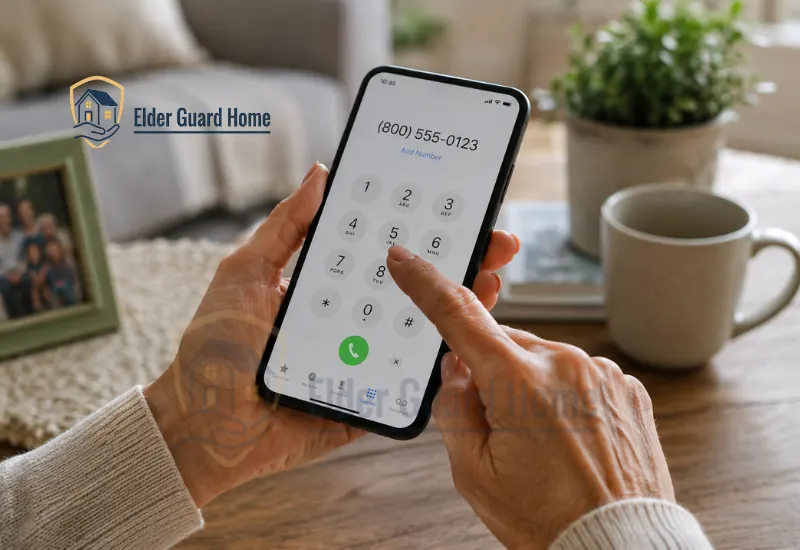
To request a wellness check on someone, call your local police non-emergency number. Give the dispatcher the person’s name and address. Explain clearly why you’re concerned.
Start by finding the non-emergency line for where the person lives. Search “[city name] police non-emergency number” to find it fast. Many cities also route these calls through 311.
When the dispatcher answers, say you’d like to request a wellness check. Give the person’s full name, address, and reason for concern. A concrete detail is easier to act on than vague worry.
Officers typically respond within a few hours. Timing depends on how busy the department is. It also depends on how urgent your description sounds.
This is what most people mean by how to call in a wellness check. It’s one phone call, a few details, and a dispatched visit. You don’t need to be a relative to request one.
Neighbors and friends can request a wellness check just as easily as family. A non-emergency wellness check request carries no cost to the caller.
When Should You Call 911 Instead of a Non-Emergency Line?
Call 911 if you believe someone is in immediate danger. This includes situations where they’re unresponsive or injured. It also includes anyone expressing intent to harm themselves.
A non-emergency line fits concerns that are serious but not urgent. A parent who’s gone quiet for a day fits here. A 911 versus non-emergency guide from Tillamook County explains this clearly.
An emergency means immediate danger to life needing a fast response. If you’re unsure which category applies, call anyway. Most dispatchers would rather you call than stay silent.
Save both numbers in your phone before you need them. Store the local non-emergency line for the person’s city. Also save 911 for true emergencies.
Having both numbers ready removes hesitation during a stressful moment. This small step often speeds up the whole process.
Think of it as two clear categories, not one blurry line. Immediate danger, like a fall with injury, always means 911. A prolonged silence usually belongs on the non-emergency line instead.
If you call 911 by mistake, dispatchers will redirect you. Some departments transfer the call directly for you. This flexibility means you don’t need to overthink the number.
What Information Do You Need to Give the Dispatcher?
Give the dispatcher the person’s full name and home address. Add a specific, factual reason you’re worried. This helps officers respond appropriately and quickly.
Useful details include how long it’s been since contact. Mention any known health conditions the person has. Note whether they live alone.
If you know a spare key holder, mention them too. A nearby neighbor’s name can also help. This can speed up how officers approach the door.
Keep your explanation concrete, not vague. Say “she hasn’t answered calls in three days,” not “I have a bad feeling.” Specific details help dispatchers act faster.
Describe what normal contact looks like for that person. A daily call that suddenly stopped carries real weight. This helps the dispatcher understand why the silence matters.
Mention any security system, doorbell camera, or medical alert device the person has. Responders may use that information during the visit.
Have a callback number ready for follow-up questions. If you’re not local, mention that too. None of this is required, but each detail helps.
How Do You Call In a Wellness Check on an Elderly Parent?
Calling in a wellness check on an elderly parent follows the same basic steps. A few extra details are worth mentioning to the dispatcher.
Note any cognitive conditions or mobility limitations your parent has. This can change how officers approach the visit. Mention any fall risk as well.
If your parent uses a medical alert device, say so. A triggered or un-triggered alert can be useful data. It helps responders handling a wellness check for an elderly parent.
Consistent monitoring can catch problems before a wellness check is needed. Compare AI fall detection against a medical alert button.
If your parent already owns a device, check its alert history first. Our reviews of LifeStation and MobileHelp explain how each system tracks alerts.
Knowing this history in advance makes any future call faster. It also helps you request a wellness check on someone more precisely.
Some families set up a simple check-in routine as backup. A daily text or short call can catch problems early. This routine works alongside, not instead of, a wellness check.
Share this plan with siblings or other family members too. Everyone should know who calls first and when. This avoids confusion during an already stressful moment.
What Happens After You Call a Wellness Check on Someone?
After you call a wellness check on someone, officers visit the address. They make contact and assess the person’s condition. This usually happens in person.
If everything is fine, officers let you know quickly. If the person needs help, responders call for medical support. In serious cases, they arrange transport to receive care.
You may not get every detail back from responders. Privacy rules can limit what they share with non-relatives.
Most outcomes fall into three categories. The person is safe and simply missed calls. Or the person needs minor help, like a medication reminder.
In more serious cases, the person needs urgent medical or protective help. Officers are trained to judge this on the spot.
If you don’t hear back within a few hours, follow up. Call the same non-emergency line for a status update. This kind of follow-up call is normal and expected.
Keep a simple log of your calls and dates. This helps if you ever need to escalate the concern. It also helps other family members stay informed quickly.
If a pattern of missed calls or neglect emerges, consider more monitoring. A security system that alerts family members can reduce reliance on a single crisis point.
Can You Request a Wellness Check Anonymously?
Yes, in most areas you can stay anonymous. You don’t have to give your name. Contact information does help officers follow up though.
Anonymity protects people worried about upsetting a neighbor or relative. That said, officers may need to reach you for details. Anonymous calls can sometimes lead to less complete visits.
If the concern involves abuse or financial exploitation, contact Adult Protective Services instead. The Eldercare Locator, a federal service, can connect you with your local APS office. Search by ZIP code to find your area’s office.
This is a useful next step for deeper, ongoing concerns. It fits well when a wellness check for an elderly parent reveals more.
Some callers stay anonymous to protect a parent’s sense of independence. That’s a reasonable concern, but it shouldn’t stop the call. Officers understand this and usually frame visits gently.
If you’d rather avoid police for a lower-urgency concern, ask about alternatives. Some areas offer non-police welfare check programs through social services. Your local Aging and Disability Resource Center can point you there.
Some regions also run senior check-in hotlines run by nonprofits. These programs call or visit older adults on a schedule. They’re worth exploring alongside, not instead of, a wellness check.
What Are the Warning Signs That Justify a Wellness Check?
Certain patterns are worth acting on quickly. Don’t wait for them to resolve on their own. Consider requesting a check if you notice:
- No answer to calls or texts for two or more days
- Mail or packages piling up untouched at the door
- Lights or blinds unchanged for several days in a row
- Missed medication refills or unusually confused phone calls
- A neighbor mentioning they haven’t seen the person recently
- A car that hasn’t moved from the driveway
- Uncollected trash bins left at the curb past pickup day
Any single sign might have an innocent explanation. Two or more together justify a wellness check call. Trust this pattern rather than waiting for certainty.
Families in regular contact notice these shifts fastest. A once-a-week caller may miss what a daily caller catches sooner. Set a personal rule, like two missed check-ins as your trigger.
Write your warning signs down somewhere visible. A shared note or app reminder works well. This turns a vague worry into a clear, trackable pattern.
How Can You Reduce the Need to Call In a Wellness Check?
You can’t eliminate the need entirely. But consistent monitoring tools lower how often a wellness check becomes necessary. They give both sides more reassurance.
A medical alert system with fall detection helps an aging parent call for help directly. It also alerts family sooner than silence would. Our in-home medical alert systems guide compares how these devices work.
For parents who resist wearing a pendant, other options exist. Voice-activated emergency alert systems offer a hands-free alternative. Multi-sensor home monitoring adds a passive layer too.
Both options reduce reliance on a single missed phone call. They give family a broader picture of daily activity.
If your parent refuses any wearable device, other paths exist. Our guide for when a senior refuses a smartphone or monitoring tech covers those workarounds.
If false alerts worry you with AI-based systems, check the data first. Our breakdown of false alarm rates in AI fall detection explains realistic accuracy expectations.
Frequently Asked Questions
Is a wellness check free?
Yes. Police-initiated wellness checks are a free public service in virtually every U.S. jurisdiction, whether the concern turns out to be nothing or something serious.
Can I request a wellness check on someone who lives in a different state?
Yes. Contact the police department or non-emergency line in the city where the person actually lives, since only local officers can respond to that address.
Will the person know who requested the wellness check?
Not always. Many departments keep the requester’s identity confidential unless you choose to share it, though officers may mention someone reported concern.
What if police can't get into the person's home?
Officers can request entry if they have reasonable cause to believe someone inside needs help, sometimes through a landlord, building manager, or legal authority.
How long does it take for police to respond to a wellness check request?
Response time varies by department and urgency, but it’s typically within a few hours. Describing an active emergency usually brings a faster response.
Conclusion
Knowing how to request a wellness check on someone removes the guesswork. Call the non-emergency line for concerns that aren’t urgent. Call 911 when the danger feels immediate.
Give dispatchers specific details to help them respond well. For added reassurance between check-ins, try our printable senior home safety checklist. Our Aging in Place Safely guide covers the bigger picture too.