


Easy and Low Cost Home Safety for Seniors
Practical aging in place solutions that protect your independence without the high cost of renovations
Expert-Reviewed easy home modifications for elderly parents
Making Home Safety Simple and Affordable
Many families think that making a home safe for an aging parent requires expensive contractors or thousands of dollars in renovations. This is a common myth. At Elder Guard Home, we focus on low cost home safety for seniors that anyone can implement.
The truth is, most home accidents aren’t caused by a lack of a $10,000 walk-in tub; they are caused by simple things like a loose rug, a dark hallway, or a missing handrail. By focusing on easy home modifications for elderly parents, you can create a secure environment without breaking the bank. Our mission is to show you how to protect your loved ones using budget friendly aging in place solutions.
Top 3 Low Cost easy home modifications for elderly parents
You don’t need to be a carpenter to improve home safety. Here are three low cost home safety for seniors projects that take less than an hour:
Brighten the Path
Replace standard light bulbs with high-lumen LED bulbs. Adding "stick-on" motion sensor lights under the bed or along baseboards provides instant safety for nighttime movement.
Clear the Floor
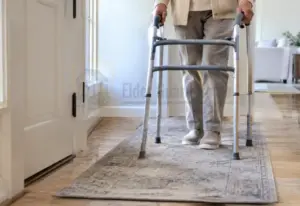
This is the most effective simple fall prevention tip. Remove all throw rugs or secure them with heavy-duty non-slip tape. A clear floor is a safe floor.
Add Grip to the Bathroom
A simple non-slip rubber mat inside and outside the shower can prevent the most common type of home injury.
Why a DIY Senior Home Safety Audit is the First Step
Before you spend a single dollar, you need a plan. A diy senior home safety audit is the most effective way to identify risks. Walk through each room and look for “hidden” dangers. Is there a glare on the floor? Is the chair too low to get out of easily?
When you perform your own audit, you are looking for the “Low-Hanging Fruit”—the simple home safety fixes that offer the biggest protection for the least amount of effort. This approach ensures that you are spending your time and money where it matters most for fall prevention for the elderly at home.
Pro Tip: When conducting your DIY senior home safety audit, do it at two different times of day—once in the morning and once at night. Shadows and lighting changes can reveal hazards that you might miss during the bright afternoon hours.
The Kitchen: Organizing for Accessibility
A safe kitchen is an organized kitchen. For many seniors, reaching for a heavy pot on a high shelf or bending down deep into a cabinet is a major fall risk.
Moving Items to the "Comfort Zone"
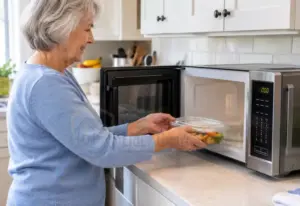
One of our favorite easy home modifications for elderly parents is simply moving daily items to the counter level. If the toaster, coffee maker, and most-used plates are all between waist and shoulder height, the risk of a balance loss is greatly reduced.
Safe Seating in the Kitchen
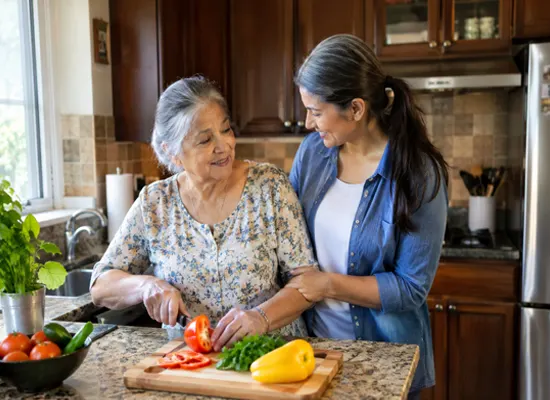
If your loved one enjoys cooking, provide a sturdy “perch” or high stool with armrests. Being able to sit while prepping vegetables or waiting for water to boil saves energy and prevents fatigue, which is a leading cause of stumbles.
Bedroom Safety: Preventing Nighttime Falls
The bedroom should be a sanctuary, but the transition from sleeping to walking can be tricky.
Bed Height and Support
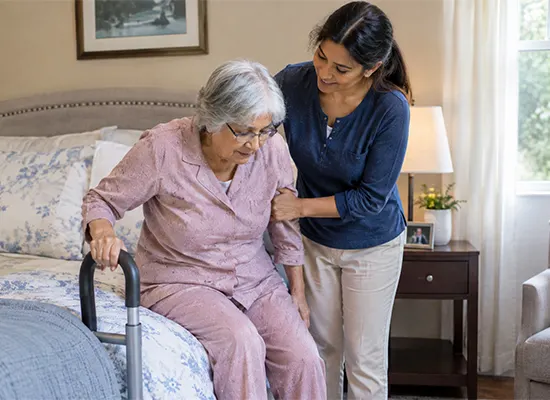
Is the bed too high or too low? A senior should be able to sit on the edge of the bed with their feet flat on the floor. If the bed is too high, consider shorter legs or a thinner box spring. Adding a simple “bed rail” that slides under the mattress provides a sturdy handle for standing up safely. These are the kinds of budget friendly aging in place solutions that make a massive difference in daily life.
How to Help Your Parents Accept Home Changes
We know that the hardest part of low cost home safety for seniors isn’t the physical work—it’s the conversation. Many parents feel that safety changes mean they are “getting old” or losing their freedom.
The best way to handle this is to focus on Independence. Frame the changes as “home upgrades” that make the house more modern and easier to live in. For example, instead of saying “You need a grab bar so you don’t fall,” try saying, “Let’s put this stylish rail in so it’s easier to get in and out of the shower comfortably.”
Frequently Asked Questions About Affordable Home Safety
What are the best low cost home safety for seniors?
Lighting is the #1 affordable fix. Adding motion-sensor lights and brighter bulbs is inexpensive but highly effective at preventing trips in the dark.
Do I need a professional for a senior home safety assessment?
While professionals are great, a diy senior home safety audit is a perfect place to start. Most families can identify 80% of hazards just by using a detailed checklist.
How can I save money on home modifications?
Focus on “Non-Structural” changes first. Moving furniture, removing rugs, and changing light bulbs cost almost nothing but provide immediate safety.
Can I implement senior home safety fixes if I am renting?
Yes, absolutely. Many of the most effective low-cost home safety for seniors solutions are “non-permanent,” meaning they don’t require drilling or permanent changes. We recommend using heavy-duty “tension-based” grab bars, plug-in motion sensor lighting, and cordless floor lamps. If you do need to install permanent bars, most landlords are legally required to allow “reasonable modifications” for accessibility under the Fair Housing Act, as long as the tenant pays for the installation and restoration.
Is expensive smart home technology necessary for aging in place?
While high-end systems are nice, they are not a requirement for a safe home. You can find very budget-friendly aging in place solutions using simple smart plugs or basic voice-activated assistants. For example, a simple $20 smart plug can allow a senior to turn on a lamp by voice before they even get out of bed, eliminating the danger of walking in the dark. Focus on simple, reliable tools rather than complex systems that might be frustrating to use.
Your Guide to budget friendly aging in place solutions
Simple fall prevention tips for home
Detailed articles on removing hazards and choosing the right grab bars or lighting.
Smart Security
Easy-to-use tech like cameras and sensors tailored for elder needs.
Daily Ease
Small modifications that make everyday tasks simpler and safer
Top Rated Safety Guides

How to Request a Wellness Check on Someone 2026
Knowing how to request a wellness check on someone is a vital skill. This piece covers exactly who to call and what to say. It explains how the process changes for an aging parent living alone. You’ll learn when to use 911 instead of a non-emergency line. It also covers what happens once officers arrive, plus anonymous requests and Adult Protective Services. A final section explains how ongoing monitoring can reduce future wellness checks.

MobileHelp Medical Alert System Review 2026: Is the Lower Price Worth the Slower Response Time?
The MobileHelp medical alert system is one of the most affordable options on the market, but the lower price comes with real tradeoffs most reviews skip past. This review covers the full five-device lineup, real monthly costs, and honest fall detection performance. It also breaks down independently tested response times and caregiver app reliability head-to-head against pricier competitors. It’s built for caregivers who want the full picture, not just the price tag.

LifeStation Medical Alert System Review 2026
The LifeStation medical alert system is one of the longest-running personal emergency response services for seniors, built on decades of live monitoring experience. This review covers real pricing, the full device lineup including the Life Station pendant, and independently tested range and fall detection results. You’ll also find an honest comparison against Medical Guardian and other major providers. It’s built for caregivers who want facts over marketing claims before choosing a system.

In-Home Medical Alert Systems for elders — Complete 2026 Buying Guide
In-home medical alert systems give seniors a direct line to help during a fall, but the right choice depends on real daily risk. This guide compares four major providers on cost, fall detection, and contract terms. It also covers Medicare coverage rules most buying guides skip. You will find a fall-risk framework matching system type to real situations, plus every hidden fee to watch for.

Best Shower Handrails for the Elderly (2026)
Shower handrails for the elderly give caregivers a reliable way to cut fall risk at a high-risk spot in the home. This guide compares three top-rated permanent handrails, including options built for fiberglass tub surrounds. You will learn how handrails differ from standard grab bars, plus the best length, angle, and mounting details. Each product review includes an honest verdict based on weight rating, material, and grip design.

Best Suction Grab Rails for Elderly: Complete Guide 2026
Suction grab rails for elderly are the most searched and most misunderstood product in senior bathroom safety — and choosing the wrong one or using it incorrectly can be more dangerous than having no bar at all. This guide covers exactly how suction grab rails work, what heavy duty suction grab rails can and cannot safely support, a full surface compatibility guide, 5 non-negotiable daily safety rules, and honest reviews of the top 3 removable grab rails on Amazon in 2026. We also tell you exactly when grab handles for baths and showers need to be replaced with a permanent drilled bar — because sometimes the honest answer is the most important one.
Our Promise to Your Family
At Elder Guard Home, we simplify senior home safety by providing honest, expert-led product reviews and practical caregiver guides. Our family-first mission is to cut through technical jargon, offering clear advice that empowers older adults to age in place with confidence. We are dedicated to your peace of mind, ensuring every resource helps you create a safer, more independent environment for your loved ones.
- Honesty First - We only review products we truly believe are safe and effective.
- Simplicity Always - We strip away the tech-jargon so you get clear, actionable advice.
- Safety Focused - Every guide is written with the goal of keeping your loved ones independent.