
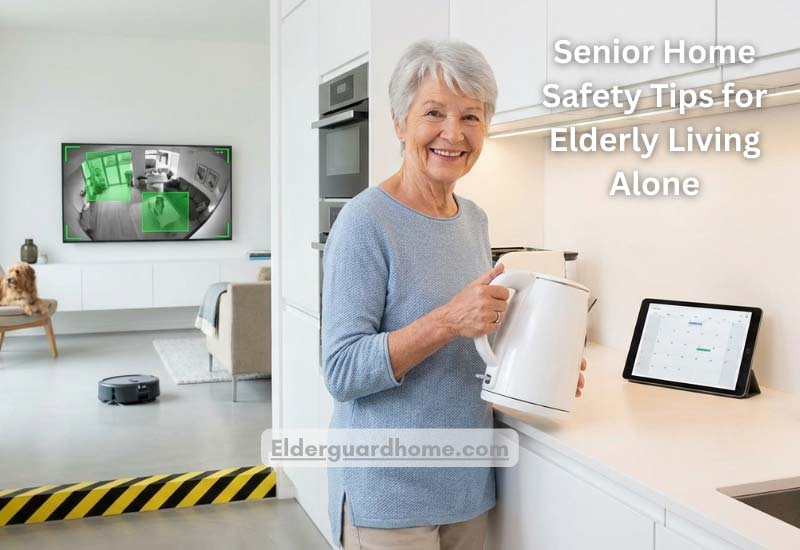
Prefer to listen? Click play below for a calm narration of these safety tips for seniors.
Living alone can be a positive and empowering choice for many older adults. However, it also means the home must support safety every day. That is why senior home safety tips for elderly living alone are essential in 2026. A safe home helps seniors stay confident, independent, and comfortable without relying on constant outside help.
If You Live Alone, Start Here:
If you live alone, focus on the safety changes that protect you during everyday moments, not rare emergencies. Start with areas you use at night and during quick routines. These small fixes reduce risk without changing how you live.
Begin with these three steps:
Improve lighting in hallways, bathrooms, and the path from bedroom to kitchen.
Remove or secure anything that can shift under your feet, such as rugs or loose mats.
Make sure light switches and commonly used items are easy to reach.
Once these basics are in place, you can move on to room-by-room improvements for added safety and comfort.
We follow the official guide from the Consumer Product Safety Commission and from Oklahoma State University to ensure your house stays secure. These government resource helps you spot hidden hazards like loose cords or dim lighting that often lead to accidents.
This guide focuses on simple, low-cost, and practical home safety tips for seniors living alone. These steps reduce everyday risks and support independent living. You do not need expensive upgrades or complex tools. Instead, small changes and daily habits can make a big difference.
Why Safety Matters for Seniors Living Alone
In many homes we observe, as people age, everyday tasks can become more risky. Slower reflexes, reduced balance, and lower vision all increase the chance of home accidents. According to safety data, most senior injuries happen at home, not outdoors.
More importantly, seniors living alone may not get immediate help after an accident. Because of this, preventing risks before they happen is far more effective than reacting later.
Home safety for elderly living alone matters because it:
- Reduces fall and injury risk.
- Protects independence
- Lowers emergency medical costs
- Improves daily confidence
Therefore, building a safe home is not about fear. Instead, it is about smart preparation.
This daily home safety checklist below focuses on the small, practical changes that make independent living safer and more comfortable.
Daily Home Safety Checklist for Independent Seniors
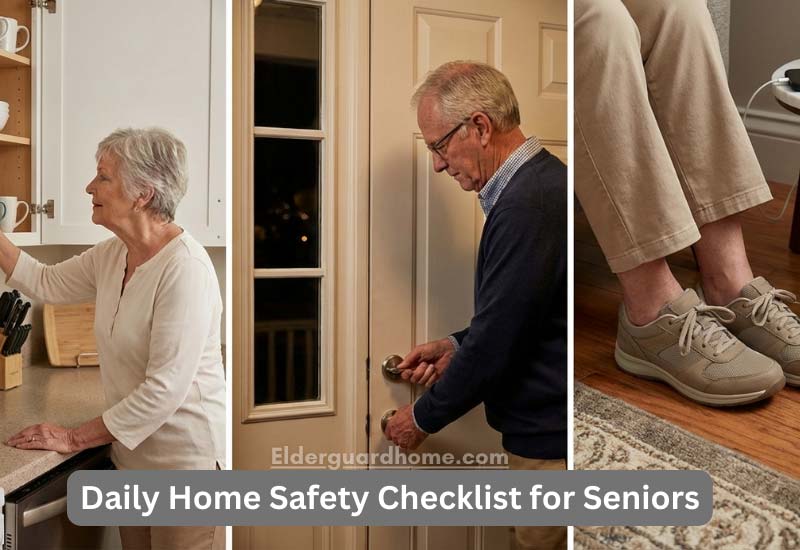
In homes where seniors live alone, safety problems rarely come from one big hazard. Instead, they build up from small daily issues that are easy to miss. One issue families often overlook is how normal routines change with age, especially at night or during rushed moments. For example, a clear hallway during the day may feel unsafe after sunset. A simple checklist helps catch these everyday risks before they turn into real problems.
A daily routine plays a major role in preventing accidents. Small habits can create a much safer living environment over time.
Use this daily senior home safety checklist:
- Walk through main areas to check for trip hazards.
- Turn on lights before moving between rooms.
- Keep frequently used items within easy reach.
- Wipe spills immediately.
- Lock doors and windows before bedtime.
- Check walkways for obstacles before leaving a room.
- Keep a charged phone nearby at all times.
- Wear sturdy, non-slip shoes indoors.
- Use night lights in hallways and bathrooms at night.
- Test smoke alarms monthly to ensure they work.
Bathroom safety deserves special attention — wet floors cause more senior falls than any other surface. See our complete guide to Anti-slip bathtub mat for elderly for the 7 safest in-tub and step-out options available in 2026.
Over time, these Senior Home Safety Tips for Elderly Living Alone become automatic and highly effective.
Daily Home Safety Scoring Table
Use this interactive table to find risks in your own living space today. Give each safety action a score from one to five in the box under the heading “My score (1-5)”. Then click on “Calculate My Total Score” button this table. You can see the total score below the button. A higher number means your house is much more secure. Use your total points to see where you need to improve.
| Home Area | Safety Action to Check | My Score (1-5) |
|---|---|---|
| Main Areas | Check for trip hazards like rugs | |
| Living Space | Turn on lights before moving | |
| Kitchen | Keep daily items within easy reach | |
| Kitchen | Wipe up spills immediately | |
| Security | Lock all doors and windows at night | |
| Walkways | Clear obstacles from every path | |
| Personal | Keep a charged phone nearby | |
| Footwear | Wear sturdy, non-slip shoes | |
| Lighting | Use night lights in halls and baths | |
| General | Test smoke alarms every month |
40 – 50 Points: Excellent! Your home is very safe right now.
25 – 39 Points: Good. You should fix a few minor hazards soon.
Below 25 Points: Action needed. Please review our safety tips immediately.
Indeed, your goal is to reach a perfect 50 for total security.
A high score shows that your home is ready for independent living. It means you have fixed common hazards that lead to dangerous falls. Furthermore, a safe house gives your family members peace of mind. Consequently, you can stay in your own home for many more years. High scores prove your commitment to a secure and active lifestyle.
You can stay more safe by learning how to monitor a senior who refuses to use a smartphone. This guide offers practical ways to watch over parents without using complex apps.
Fall prevention tips for elderly at home
Caregivers often notice that falls remain the number one risk for seniors living alone. Fortunately, many fall risks can be reduced without expensive renovations.
Simple fall prevention tips for elderly at home:
- Remove loose rugs or secure them with anti-slip pads
- Keep floors clutter-free, especially hallways
- Wear non-slip indoor footwear
- Install grab bars in high-risk areas
- Avoid rushing, especially at night
In addition, staying physically active helps maintain balance and strength, further reducing fall risks. To make your home slip proof, read our guide on Non-Slip Rug Pads for Hardwood Floors.
Safe Lighting and Visibility for Night Movement
In homes where seniors live alone, poor lighting is one of the most overlooked home safety issues for seniors. Dim areas increase the risk of missteps and falls.
Improve lighting safety at home by:
- Installing motion-sensor night lights
- Using warm, glare-free bulbs
- Keeping light switches accessible near doors
- Adding under-cabinet lighting in kitchens
Proper lighting keeps every room safe and easy to navigate. Check out our guide on safe home lighting design for seniors to brighten your living space effectively. As a result, seniors can move confidently even during nighttime hours using these safe lighting tips for seniors at night.
Reducing Trip Hazards in Walkways
Walkways should always be wide, clear, and predictable.
To reduce trip hazards at home:
- Secure or remove electrical cords
- Avoid uneven floor transitions
- Rearrange furniture for open paths
- Use non-slip mats near entryways
Most importantly, walkways should support natural movement without obstacles. For Safest Flooring Transitions for Seniors, read our guide on this.
Room-by-Room Home Safety Guide for Seniors
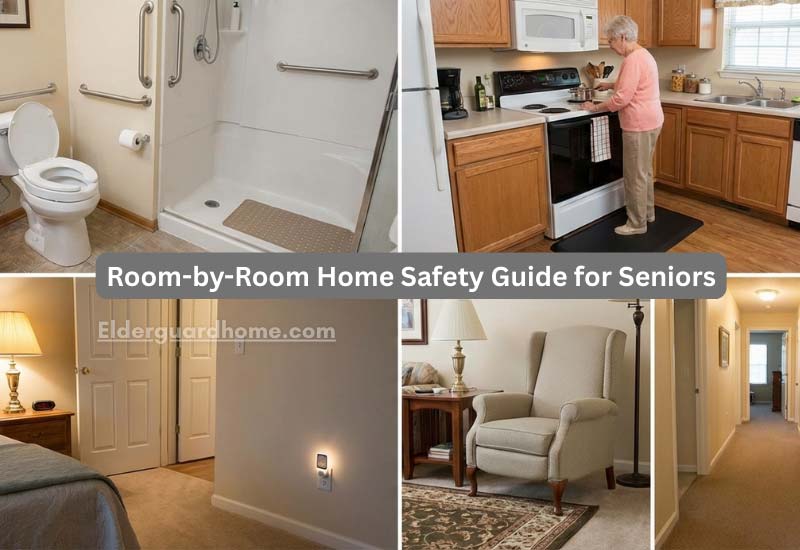
Many guides skip this section. However, room-by-room safety planning is one of the most effective strategies for elderly living alone.
Bathroom Safety Tips for Seniors Living Alone
Bathrooms are the highest-risk room in any home because water makes surfaces slick. Following these tips can reduce common hazards.
Essential bathroom safety improvements include:
- Raised toilet seats.
- Handheld shower heads.
- Install grab bars: Near the shower, tub, and toilet to help you stand and sit safely.
- Use non-slip mats: Inside and outside the shower to avoid slips on wet tiles.
- Night lighting: Place low-level lights to help you move safely at night.
- Keep everything within reach: Organize toiletries so you don’t stretch or bend too far.
Additionally, keeping towels and toiletries within reach prevents unnecessary bending. These simple bathroom changes reduce fall risk and keep your daily routine secure.
Kitchen Safety Tips for Elderly Living Alone
Kitchens combine heat, sharp tools, and slippery floors. The kitchen can be one of the most hazardous rooms if not arranged with care. Cooking and food prep involve tools, heat, and water — all potential mess makers.
Improve kitchen safety by:
- Using appliances with auto shut-off.
- Turning pot handles inward while cooking.
- Clean spills immediately: Water or oil on smooth floors raises the risk of slip and fall incidents.
- Use anti-fatigue mats: Place non-slip mats at the sink and stove to ease standing and reduce fatigue.
- Organize essentials at waist height: Avoid stools or reaching too high for dishes or pots.
- Check appliances: Ensure cords are intact and that stoves and ovens have automatic shut-off features where possible.
Moreover, avoid multitasking while cooking to reduce accident risks. These small kitchen tweaks can lower both fall and burn risks. Specifically, choosing the right tools makes cooking much safer. Thus, read our guide on Best Senior-Friendly Kitchen Safety Gadgets to find the best tools. These simple upgrades prevent burns and cuts effectively.
Bedroom Safety Tips for Seniors
Bedrooms should support rest and safe movement. Bedrooms are where you start and end your day. Even small hazards here can cause serious slips.
Bedroom safety tips include:
- Using stable, supportive beds.
- Avoiding loose blankets near feet.
- Place lamps and night lights: Ensure switches are easy to reach from the bed.
- Clear paths to exits: Remove objects on the floor that might trip you, especially during nighttime.
- Don’t block light switches: Keep them free from furniture or clutter so you can turn lights on easily.
Better bedroom lighting and clear paths give seniors confidence and reduce anxiety about moving in the dark. As a result, night-time accidents become far less likely.
Living Room and Furniture Layout Safety
The living room is often a main gathering space. Because you may move through it many times a day, keeping it safe is key. Furniture placement directly affects mobility.
- Maintain wide walking paths.
- Use chairs with armrests.
- Avoid low or unstable seating.
- Clear walkways: Remove clutter, magazines, cords, and furniture that block paths.
- Secure rugs: Avoid loose rugs or use non-slip backing if they must stay.
- Add extra lighting: Floor and table lamps near seats and doorways help you see better during day or night.
- Place essentials near seating: Keep remotes, phones, and glasses within easy reach.
Proper layout supports balance and confidence. These adjustments reduce the chance of trips and make movement easier throughout the day.
Entryways and Home Exterior Safety
Many falls occur when entering or leaving the home. These transition areas often contain obstacles that contribute to accidents.
Improve entryway safety by:
- Using non-slip outdoor mats.
- Repairing uneven surfaces.
- Improve hallway lighting: Bright, even light means fewer shadows that hide hazards.
- Use night lights at stairs: Motion sensors can help you avoid fumbling for switches.
- Ensure sturdy handrails: Handrails on both sides of stairs increase balance and support.
In colder regions, seasonal maintenance is especially important. Clear and visible hallways are essential for everyday movement.
Implementing Senior Home Safety Tips for Elderly Living Alone protects your independence. These simple house changes keep you secure every day.
Actually, many seniors struggle with complex camera apps. Consequently, you should learn about Wyze camera setup without a smartphone to improve your home security.
Simple Home Modifications for seniors for Everyday Safety
Not every solution requires remodeling.
Low-cost home modifications for seniors include:
- Lever-style door handles
- Anti-slip tape on stairs
- Drawer organizers
- Touch lamps
These upgrades offer high impact with minimal effort.
smart safety devices for seniors living alone (Non-Health)
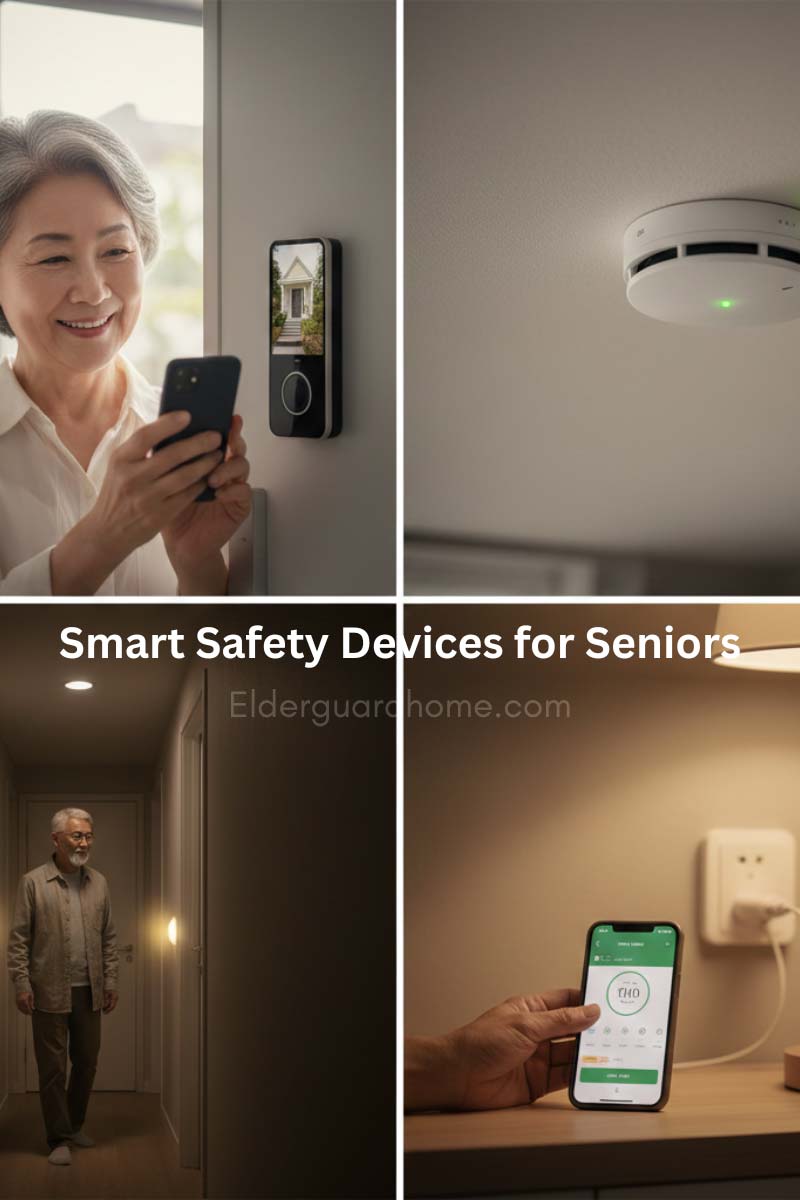
Smart safety devices for seniors living alone can support safety without being invasive. Smart doorbells help you see visitors without opening the door. If you want to avoid damaging your door frame, you should learn how to install Ring doorbell on senior home without drilling safely. This simple method ensures your entryway stays secure while keeping the installation process quick and stress-free.
Additionally, automatic stove shut-off devices prevent fire risks. Modern tools offer peace of mind.
Helpful smart safety devices include:
- Video doorbells
- Smart smoke detectors
- Motion-sensor lights
- Smart plugs with timers
Importantly, these tools add security while preserving independence. Falls can still happen, even in a well-prepared home. That’s why many families now use AI fall detection systems for seniors that works without wearable buttons. It quietly monitors and sends alerts automatically.
Common Mistakes to Avoid for Elderly Living Alone
Even well-meaning decisions can increase risk.
Avoid these common home safety mistakes:
- Ignoring small hazards
- Overloading extension cords
- Using unstable furniture for support
- Skipping routine safety checks
Prevention always works better than correction.
Emergency Preparedness: Be Ready for Unplanned Situations
Being prepared for unexpected events reduces stress and increases self-reliance.
Emergency Contact List:
Keep a printed list of:
- Local emergency numbers.
- Family and friends’ contact info.
- A list of current medications.
Place one list in visible places like the refrigerator or near the phone.
Evacuation Plan:
Know two exit routes from your home in case of fire or power outage. Practice these routes with family or neighbors.
Backup Power:
Keep battery-powered flashlights and a charged portable phone battery in case of outages. Even simple planning can make emergencies feel less overwhelming.
Social Safety and Mental Well-Being
Physical safety is only one part of living well. Social interaction plays a major role in overall safety.
- Daily check-ins: Arrange regular calls with family or friends.
- Stay involved in community: Join a senior group or activity center to stay socially active.
- Use video chats: Technology like video calls can help you stay in touch even when physical visits aren’t possible.
Staying connected improves mood, confidence, and overall safety. Using Senior Home Safety Tips for Elderly Living Alone helps you stay independent. These easy changes stop accidents before they happen.
FAQ About Senior Home Safety When Living Alone
What is the biggest home safety risk for seniors?
Falls remain the most common and dangerous risk for elderly living alone.
Are expensive renovations necessary?
No. Many effective senior home safety tips are low-cost or free.
How often should safety checks be done?
A quick daily check and a monthly deeper review work best.
How can I make my home safe?
Specifically, install bright sensor lights and clear clutter. Furthermore, add strong grab bars in the bathroom. Consequently, your home stays secure. Indeed, act today.
What are common home hazards?
Specifically, slippery floors and dark stairs cause falls. Furthermore, loose rugs and leftover stove heat are risks. Consequently, fix these hazards now. Therefore, stay safe.
What technology helps seniors?
Specifically, use personal alert buttons and safe kettles for daily help. Furthermore, smart cameras provide extra security. Consequently, modern tools protect you. Indeed, try them.
Quick daily home safety checklist for seniors
Use this daily home safety checklist for seniors each day:
✔ Clear walkways
✔ Check lights in hallways & stairs
✔ Test alarms each month
✔ Keep phone charged
✔ Wear non-slip footwear
✔ Keep emergency contacts visible
✔ Review habits weekly
This checklist helps you stay focused on consistent safety habits.
Final Thoughts: Building a Safe and Independent Home
Creating a safer home does not mean giving up independence. Instead, it means removing unnecessary risks so daily life remains comfortable and confident.
Follow these Senior Home Safety Tips for Elderly Living Alone to ensure a secure future. These small changes today prevent big problems tomorrow. Staying safe helps you maintain your independence every day.