
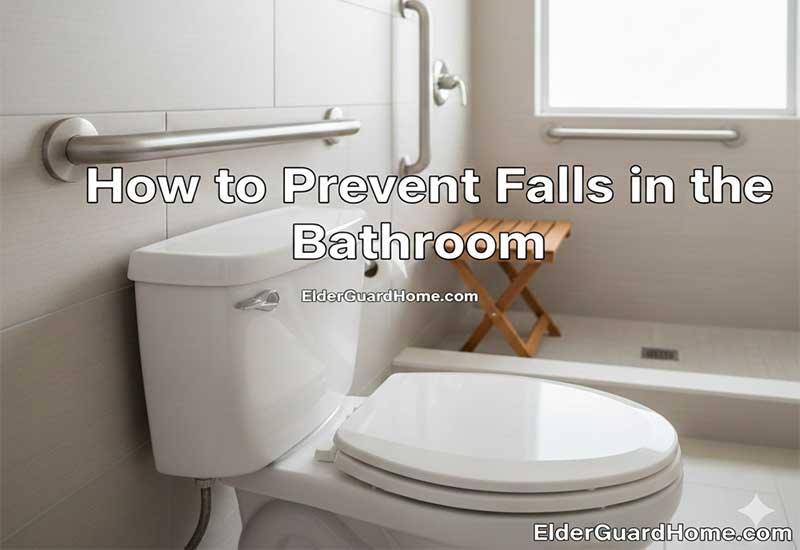
The Bathroom Danger Zone: Why It’s Ground Zero for Senior Falls
For many older adults, the bathroom represents a challenging environment, often becoming “Ground Zero” for home falls.
The combination of slippery surfaces, confined spaces, and the need for frequent transfers (toileting, showering) makes it inherently risky. Statistics are stark: over 80% of falls for individuals over 65 occur in the bathroom.
These incidents are not just physical; they carry a profound psychological toll, leading to a “fear of falling” that can drastically reduce independence and quality of life. Understanding how to prevent falls in the bathroom for seniors is therefore paramount for promoting continued autonomy and safety at home.
The risk factors are multifaceted: age-related physical changes like reduced balance, muscle weakness, and impaired vision; coupled with environmental hazards such as wet floors, low toilet seats, and inadequate lighting.
When a senior loses their balance in a small, hard-surfaced room, the consequences—from broken hips to head injuries—can be severe. This guide will walk you through essential modifications and behavioral strategies to transform your bathroom into a fortress of safety.
Identifying Hidden Hazards: Common Bathroom Trip Hazards in Elderly Homes
Before making any changes, it’s crucial to perform a thorough audit of your existing bathroom. Many common bathroom trip hazards in elderly homes are easily overlooked, yet they pose significant risks.
Wet Floors: Water is the primary culprit. Splashes from the shower or tub, condensation, and wet feet create incredibly slick surfaces. This is why addressing your floor surfaces with solutions like the best non-slip spray for ceramic tile floors for seniors is a critical first step. Similarly, even small bathroom mats can be a danger if not secured; review our guide on the best non-slip rug pads for hardwood floors for seniors for solutions.
Inadequate Lighting: Dim lighting can obscure obstacles, create misleading shadows, and make it difficult to perceive changes in floor level or the edges of a tub. Nighttime trips to the bathroom are particularly dangerous without proper illumination.
Clutter and Obstacles: Loose towels, laundry hampers, scale, and even decorative items can become unexpected trip hazards in a confined space.
Lack of Support: The absence of grab bars makes transfers to and from the toilet, shower, or tub inherently unstable. Relying on towel racks or shower doors for support is extremely dangerous, as they are not designed to bear weight.
Thresholds and Steps: Even a small lip at the shower entry or a slight step into the bathroom itself can become a significant obstacle for someone with limited mobility or vision impairment.
Structural vs. Non-Structural: Essential Bathroom Safety Modifications for Elderly
When it comes to enhancing bathroom safety, modifications can range from simple, non-structural adjustments to more involved renovations. Both play a vital role in creating a secure environment.
Non-Structural (Easy & Affordable): These are quick fixes that make a big difference:
Non-Slip Mats/Strips: Inside the tub/shower and on the floor outside.
Improved Lighting: Brighter bulbs, nightlights, or motion-sensor lights.
Clutter Removal: Keep pathways clear and essentials within easy reach.
Temporary Raised Toilet Seats: For immediate relief without installation.
Structural (Long-Term Investment): These often require professional installation but offer the highest level of safety:
Permanent Grab Bars: Installed directly into wall studs.
Walk-in Showers/Tubs: Eliminating high thresholds.
Raised Height Toilets: For ergonomic comfort.
Doorway Widening: If a wheelchair or walker is needed.
Understanding this distinction helps families prioritize changes based on immediate need, budget, and the senior’s long-term mobility outlook.
Bathrooms are still the most common place for serious falls.
That’s why many families now use AI fall detection for seniors that works automatically without wearable buttons.
The Throne: Benefits of Raised Toilet Seats with Arms for Mobility
The act of sitting down and standing up from a standard-height toilet can be surprisingly challenging and dangerous for seniors. A low toilet strains the knees and hips, often requiring a senior to push off unstable surfaces like towel racks, risking a fall. This is where the benefits of raised toilet seats with arms for mobility become invaluable.
A raised toilet seat effectively increases the height of the commode, reducing the distance a senior needs to lower or lift themselves. When combined with sturdy arms, it provides secure points of leverage, allowing for a controlled transfer. This not only prevents falls but also reduces pain and preserves dignity by minimizing the need for caregiver assistance.
Top Recommendation: Drive Medical Raised Toilet Seat with Arms
Best for: Securely adding height and stable support to any standard toilet. Key Features: Tool-free installation, padded armrests, adjustable height. Key Benefit: Reduces strain on knees/hips, provides leverage for standing.
Shower & Tub Mastery: Walk-in Tub vs. Transfer Bench for Seniors
Bathing can be one of the most hazardous activities for seniors. Deciding between a significant renovation or a more practical aid like a transfer bench is a common dilemma. Here, we compare the walk-in tub vs transfer bench for seniors.
Walk-in Tubs:
Pros: Provide a low-threshold entry, a built-in seat, and often jets for therapeutic benefits. They offer a luxurious, independent bathing experience.
Cons: Expensive, require professional installation, and can have a slow fill/drain time, leading to cold waiting periods. Once installed, they are a permanent fixture.
Transfer Benches:
Pros: Much more affordable, portable, and require no installation. A transfer bench allows a senior to sit on the bench outside the tub/shower, swing their legs over the lip, and slide into the bathing area.
Cons: Less aesthetically pleasing, may still require some assistance, and don’t offer the full independence of a walk-in tub. They rely on the existing tub/shower.
For many, a transfer bench offers an immediate, cost-effective, and highly safe solution without the disruption and expense of a full renovation. If mobility is declining rapidly, a transfer bench can extend independent bathing significantly.
Grab Bar Physics: Safe Weight-Bearing Grab Bar Installation for Seniors
The proper installation of grab bars is paramount to their effectiveness. A grab bar that isn’t installed correctly is worse than no grab bar at all, as it can pull out of the wall, leading to a catastrophic fall. This is why understanding safe weight-bearing grab bar installation for seniors is non-negotiable.
Key Principles of Installation:
Locate Studs: Grab bars must be mounted into wall studs (the wooden beams within your walls) or blocking. Drywall alone cannot support the weight of an adult. Use a reliable stud finder.
Proper Height & Angle:
Near Toilet: Install horizontally, 33-36 inches from the floor, extending 12-18 inches from the wall to the front of the toilet.
In Shower/Tub: Install one vertical bar at the entry point and two horizontal bars on the back and side walls (typically 33-36 inches from the floor and 8-10 inches above the tub rim).
Material & Finish: Choose corrosion-resistant materials like stainless steel. The finish should be textured or knurled for better grip, especially when wet.
Professional Help: If you are unsure about finding studs or proper mounting, hire a qualified contractor specializing in aging-in-place modifications. This is not a DIY project to take lightly.
Recommended Grab Bar: Moen Home Care 18-Inch Grab Bar
Material: Stainless Steel (corrosion-resistant). Key Features: SecureMount design for reliable installation. Key Benefit: Provides sturdy, reliable support where it's needed most.
The Suction Cup Debate: Are Suction Cup Grab Bars Safe for Seniors?
A common question is: are suction cup grab bars safe for seniors? The answer is generally NO for primary weight-bearing support. While they might seem convenient, suction cup grab bars are designed for temporary assistance or balance support, not for holding full body weight during a fall or a difficult transfer.
Why They Are Risky:
Surface Dependence: They only work on perfectly smooth, non-porous surfaces (like large, flat tiles or fiberglass). They will not stick to grout lines, textured tiles, or painted walls.
Loss of Suction: Suction can degrade over time, with changes in humidity, or if the surface isn’t perfectly clean. There’s no warning before they detach.
False Sense of Security: Relying on a temporary solution for critical support can lead to a more dangerous fall if the bar gives way.
For true safety and peace of mind, always opt for professionally installed, screw-mounted grab bars. If a temporary solution is absolutely necessary (e.g., for travel), always test it rigorously before use and never put full body weight on it.
Nighttime Navigation: Strategies for Safely Navigating the Bathroom at 2:00 AM
Many falls occur during nighttime trips to the bathroom when seniors are disoriented or hurrying. Strategizing how to prevent falls in the bathroom for seniors at night is vital.
Pathway Lighting: Install motion-sensor nightlights along the path from the bed to the bathroom.
Bathroom Lighting: A low-wattage nightlight inside the bathroom provides enough light to see without being jarring. Consider a soft-glow motion-activated light that comes on automatically.
Clear Pathways: Ensure the path is completely free of obstacles (loose rugs, shoes, clutter).
Preparation: Keep eyeglasses, a phone, and any necessary medications on the bedside table within easy reach.
Emergency Protocol: What to Do If a Fall Happens
Despite all precautions, falls can still occur. Having an emergency plan in place is just as important as prevention.
Medical Alert System: A wearable medical alert device (like a pendant or bracelet) with a “fall detection” feature or an easy-to-press button ensures help is summoned quickly, even if the senior is unable to get up or reach a phone.
Emergency Contact List: Keep a clearly visible list of emergency contacts (family, neighbors, doctors) near the phone.
“How to Get Up Safely” Practice: If a senior is able, teach them the “rock and roll” method to get to their hands and knees, and then crawl to a sturdy piece of furniture to push themselves up. Never rush or try to stand if dizzy.
Furthermore, check these Senior Home Safety Tips for Elderly Living Alone to build a complete plan.
FAQ: Bathroom Fall Prevention
What is the ideal lighting level for a senior's bathroom?
Aim for bright, even, glare-free lighting, preferably with a combination of overhead and vanity lights. A minimum of 60-100 watts (equivalent) is recommended, with a soft nightlight for nighttime use.
Should I use bath mats inside the shower/tub?
Yes, if they are specifically designed with suction cups to adhere securely to the surface. Ensure they are removed and cleaned regularly to prevent mold and mildew build-up, which can reduce suction.
Is it better to have a walk-in shower or a tub with a transfer bench?
A walk-in shower offers the highest level of independence and safety long-term. A tub with a transfer bench is a more affordable and immediate solution that can significantly improve safety for many. The “best” choice depends on budget, space, and the senior’s specific mobility needs.
How often should grab bars be checked for security?
Professionally installed grab bars should be checked annually by gently pulling on them to ensure there is no looseness. For suction cup bars, they should be re-secured and tested before every single use.
Can I get financial assistance for bathroom modifications?
Yes. Programs like Medicaid, Veterans Affairs (VA) benefits, and some long-term care insurance policies may cover portions of home modifications. Consult a financial advisor or an aging-in-place specialist for guidance.
What is the "no-slip zone" in a bathroom?
The “no-slip zone” includes the shower/tub floor, the area immediately outside the shower/tub, and the space directly in front of the toilet. These areas require non-slip treatments or mats.